Environmental Awareness:
Responsibility
From Today to Tomorrow
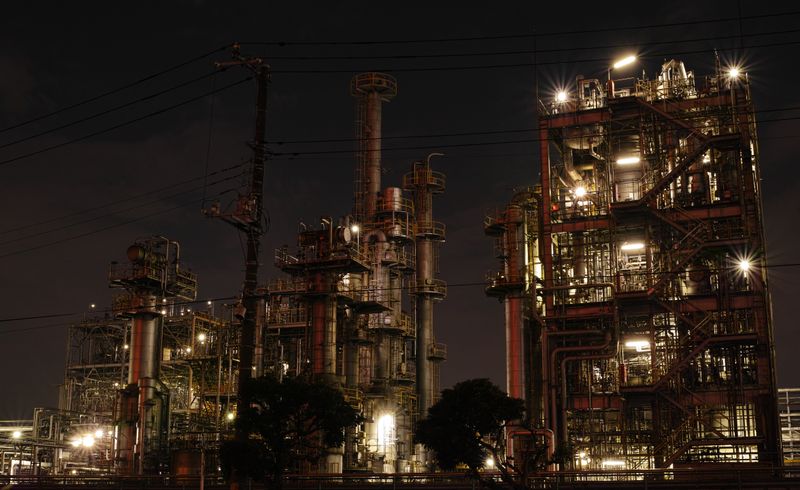
At CMS AS we measure, report and systematically reduce the environmental impact of every production decision. Our environmental management system, run within the ISO 14001:2015 framework, places our shipbuilding and industrial engineering activities on a sustainable foundation.

Responsible Production, Sustainable Future
CMS AS systematically monitors, evaluates and manages environmental impacts in its shipbuilding and industrial production activities under the principle of continuous improvement. Having established its first environmental management system in 2006, our company has since successfully passed an independent external audit every two years.
From waste management to energy efficiency, from emission control to chemical safety, we develop environmentally conscious practices in every area. We encourage the use of eco-friendly materials throughout the supply chain and evaluate our suppliers against environmental criteria. Our green procurement policy is an integral part of the supplier selection process.
Under the environmental monitoring programs applied at our Gebze facilities, water consumption, energy use, waste quantities and air emissions are reported monthly; reduction steps are taken in line with defined targets. Our annual sustainability report is shared transparently with all our stakeholders.
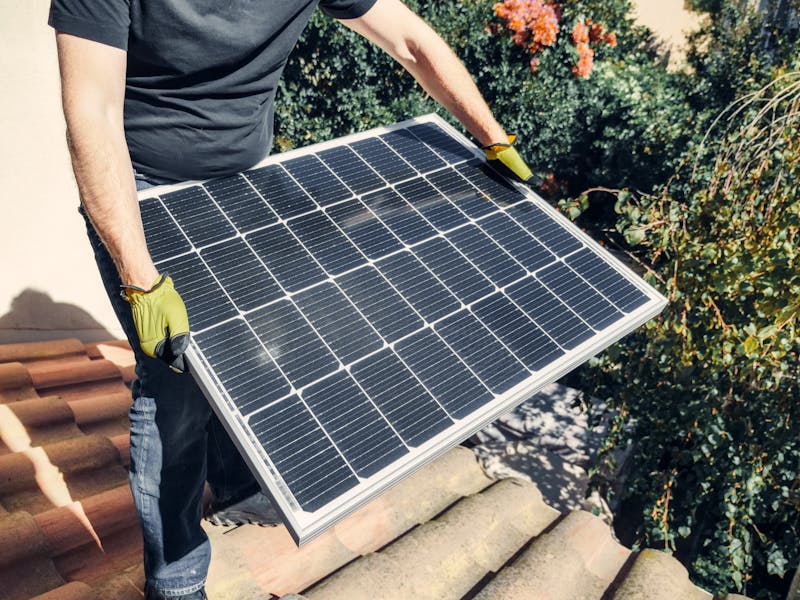
As of 2025 we have put our Decarbonisation Roadmap into action. Within this framework, photovoltaic solar panel investments, the transition to electric forklifts and green hydrogen research are among our priority agenda items.
Performance Indicators
2030 Target
Carbon-Free Production
We aim to reach net zero in Scope 1 and Scope 2 emissions.
Our Environmental Commitments
Under each theme there are measurable targets, applied procedures and verifiable results.
Carbon Management
- Annual carbon footprint measurement and reporting
- Scope 1–2–3 emission tracking
- 2030 net zero carbon target
- Carbon offsetting projects
Waste Management
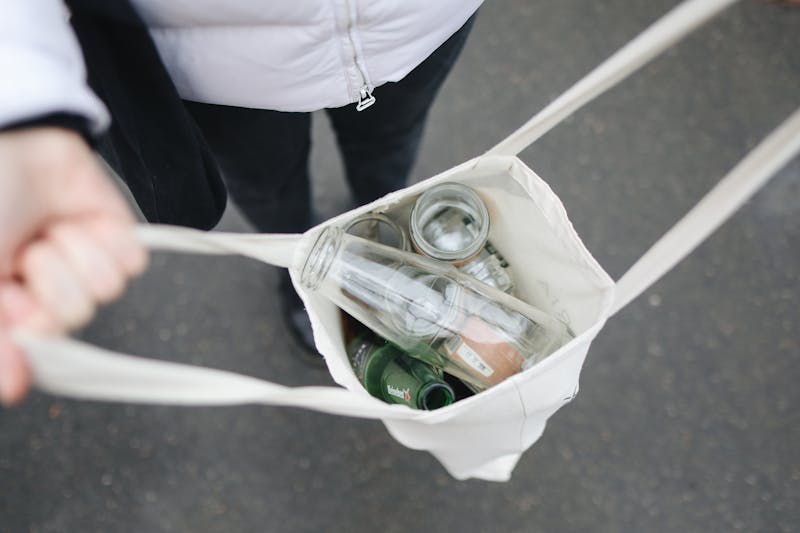
- Operating with a zero-waste target
- 92% industrial waste recycling
- Licensed hazardous waste disposal
- Packaging reduction program
Water Management
- Closed-loop cooling systems
- Rainwater harvesting facility
- Process water recovery line
- Consumption targets and weekly monitoring
Energy Efficiency
- 100% LED facility lighting
- Smart energy management system (SCADA)
- 1.2 MWp installed solar power
- Heat recovery systems
Biodiversity
- Green space projects around the facility
- Landscaping with native tree species
- Marine ecosystem protection protocols
- Local environmental NGO collaborations
Environmental Training
- Mandatory annual training for all employees
- Environmental representative certification program
- Supplier environmental awareness workshops
- School visits and internship program
Our Environmental Journey
First Environmental Management System
With the ISO 14001:2004 certificate, we transitioned to systematic environmental management and established an environmental unit.
Waste Reduction Program
Industrial waste was reduced by 45% in 3 years; a scrap metal recovery line was commissioned.
Water Recovery Facility
A closed-loop cooling system was installed, saving 8,000 m³ of water annually.
Solar Energy Investment
800 kWp of solar panels were installed on the facility roof; 38% of annual electricity demand began to be met from solar.
ISO 14001:2015 Renewal
Recertification to the current standard was completed; a carbon footprint measurement and reporting system was launched.
Decarbonisation Roadmap
The 2030 net zero carbon target was announced; a Scope 3 emission reduction program and green supply chain transformation were launched.

Certificates & Documents
ISO 14001:2015
Environmental Management System
Bureau Veritas
EMAS
Environmental Management and Audit
European Commission
Green Port
Green Port Protocol
Kocaeli Metropolitan
EcoVadis Bronze
Supply Chain Sustainability
EcoVadis SAS
Review Our Sustainability Report
Contact us to access our annual environmental performance report or to learn more about our environmental policies.